Information
Landmark: Kirindy Forest ReserveCity: Morondava
Country: Madagascar
Continent: Africa
Kirindy Forest Reserve, Morondava, Madagascar, Africa
Overview
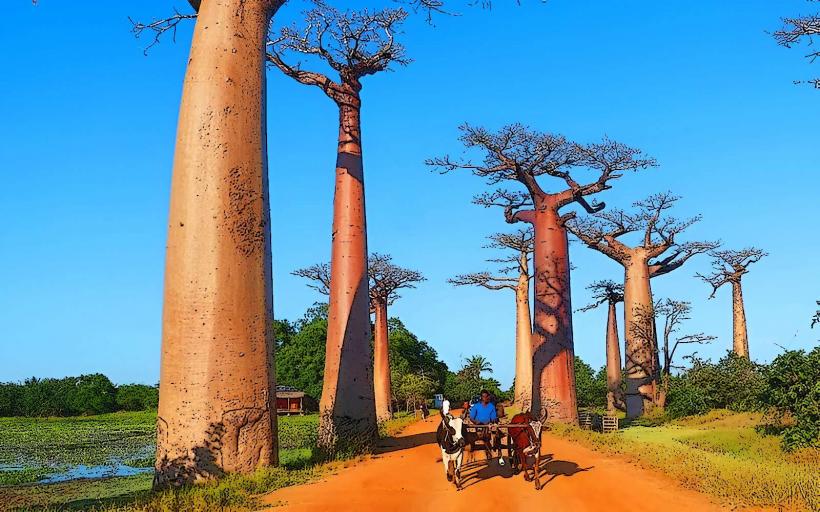
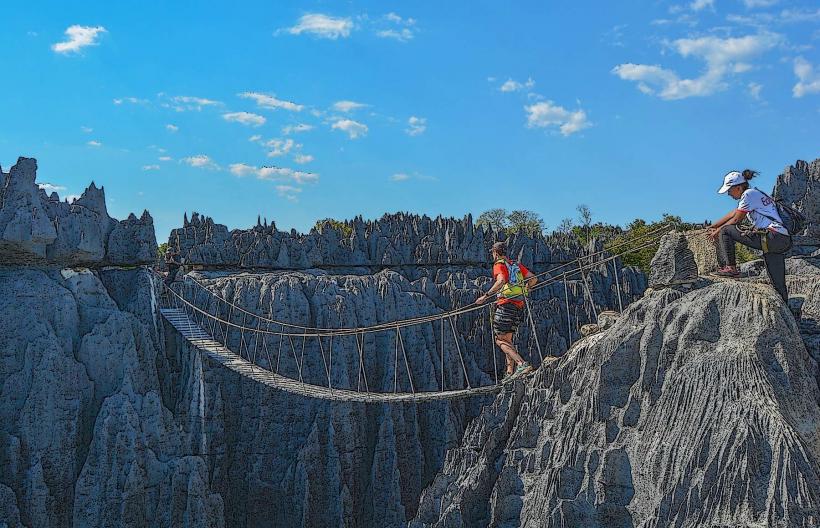
The Kirindy Forest Reserve sits in Madagascar’s Menabe Region, a short drive from the Avenue of the Baobabs, where massive, sun-bleached trunks rise like ancient pillars, therefore the area bursts with rare life, especially species found nowhere else, drawing both wildlife lovers and researchers eager to glimpse them firsthand.Let’s start with a few key details about the reserve-like the way sunlight filters through its tall pines, in addition kirindy Forest Reserve sits about 50 kilometers north of Morondava, on Madagascar’s dry, sunbaked western coast.This forest belongs to the dry deciduous ecosystem common here, where leaves turn brittle and fall when the rains fade, in turn in this kind of forest, trees drop their leaves when the dry season sets in, leaving the ground dappled with brittle gold and shaping a habitat all its own for plants and animals.Number two sat there, plain and unassuming, like a lone mark on a blank page, at the same time biodiversity and Wildlife
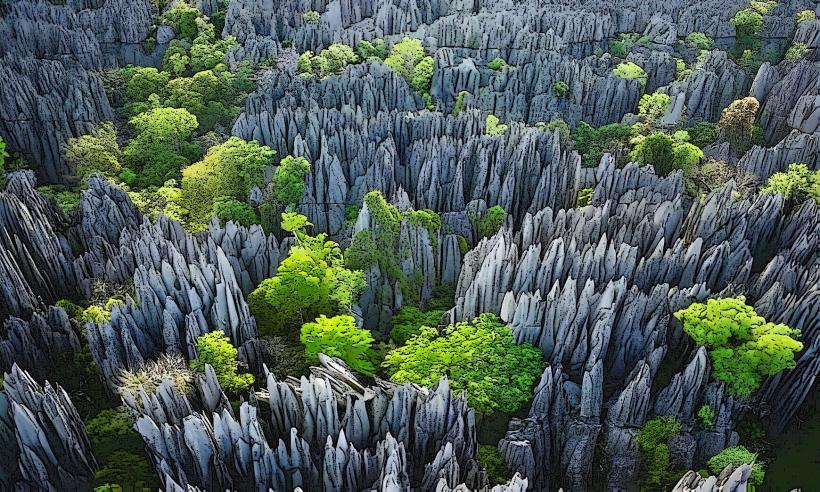
Kirindy bursts with life, especially rare species found nowhere but Madagascar-like the sparkling-eyed lemur leaping through the trees.Kirindy is one of the best places to spot the fossa-Madagascar’s largest predator, with sleek amber eyes that catch the light-and it’s among the most remarkable wildlife in the reserve, alternatively this meat-eating mammal moves with a cat’s grace, yet it’s closer kin to the mongoose, stalking lemurs and other slight creatures through the undergrowth.Kirindy teems with lemurs, from the leaping Verreaux’s sifaka with its creamy fur to the curious red-fronted brown lemur and the shy, white-footed sportive lemur, not only that these lemurs thrive in the dry forests, some leaping through sunlit branches by day, while others stir only when the moonlight filters through the trees.The forest teems with reptiles, from vivid green Panther chameleons (Furcifer pardalis) that blend into leafy branches to leaf-tailed geckos (Uroplatus species) vanishing against rough bark, consequently kirindy is home to several birds found nowhere else, including the sharp-eyed Madagascar kestrel and the striking black-and-white Madagascar harrier-hawk.As far as I can tell, Insects and Amphibians: The reserve shelters frogs, buzzing insects, and other petite invertebrates-many found nowhere else but Madagascar, meanwhile number three stands out, like a single candle in a shadowy room.In Kirindy Forest, the air stays dry most of the year, much like the sun-baked plains that stretch across western Madagascar, meanwhile from November to March, the region enters its wet season, and the rain can pound down hard enough to drum on tin roofs, fairly From April to October, the dry season makes the forest easier to reach, and with the leaves thinned, you can spot monkeys darting between branches far more easily, subsequently during the dry season, trekking feels easier, with warm days softened by cooler, gentler air.Number four, equally important kirindy teems with life, making it one of Madagascar’s vital biodiversity hotspots, where lemurs leap through dry forest canopy.The reserve lies within a dry deciduous forest, where leaves crackle underfoot and the whole ecosystem faces growing threats from deforestation and a shifting climate, in addition in this kind of forest, life has shaped itself to survive the brutal dry season-lizards bask on sun-cracked soil, and each species carries a rare set of traits that make it both remarkable and fragile.Kirindy is vital for protecting these species and keeping this delicate ecosystem alive, from the rustle of leaves under a lemur’s feet to the rare blooms that only open at night, in conjunction with madagascar’s forests teem with plants and animals found nowhere else-tiny lemurs leaping through the canopy, orchids clinging to mossy trunks-reminding us just how vital it is to protect this one-of-a-kind natural heritage.Number five sat there, tiny and plain, like a neat black mark on the page, alternatively scientists use the reserve to study Madagascar’s unique ecosystems, gathering valuable data-like tracking the calls of rare lemurs at dusk.The Wildlife Conservation Society (WCS) manages it as part of a larger push to protect Madagascar’s forests, where lemurs leap through the canopy and rare orchids cling to mossy branches, therefore in Madagascar, Kirindy stands out as one of the main places where scientists track the island’s wildlife-watching how lemurs forage at dawn, studying their habitats, and figuring out how best to protect them, sort of Number six, likewise wildlife viewing is what pulls most people to Kirindy, where you might spot a lemur leaping through the dry forest, in a sense Join a guided tour and watch for wildlife-lemurs leaping through branches, fossas slipping into the shadows, vivid chameleons, and flashes of wings overhead, therefore you’ll observe the most wildlife at dawn or dusk, when the air is cool and a deer might step quietly out of the trees.If I’m being honest, Night walks are a favorite in Kirindy, where you set out after sunset with a flashlight to spot lemurs blinking in the murky, moreover because many of the reserve’s animals-like the sportive lemur and the tiny mouse lemur-come alive after murky, guided night tours let you spot them slipping through the shadows of their forest home.Trekking and hiking are on the list too, and visitors can wander along the reserve’s winding trails shaded by tall pine trees, along with the trails wind through a sun-baked forest, where you might spot a radiant green lizard darting between roots and hear leaves rustle overhead.These walks aren’t too demanding, and they can stretch from a quick hour to several, enough time to notice the scent of pine in the air, as a result seven.Around Kirindy Forest Reserve, places to stay are simple but comfortable-think eco-lodges shaded by tall palms or modest guesthouses just a short trek from the park, after that the facilities serve nature lovers and researchers alike, offering a simple, rough-hewn stay where pine-scented air drifts through open windows.You can reach the reserve by road from Morondava, and the drive takes about one to two hours through dusty stretches and scattered baobab trees, alternatively the roads get pretty rough when the rains come, so it’s best to go with a guide or join a tour if you don’t recognize the area.Not far from Kirindy, the Avenue of the Baobabs waits-an unforgettable stretch lined with massive, ancient trees rising against the sky, what’s more Tsingy de Bemaraha National Park, a UNESCO World Heritage Site, is known for its towering limestone spires that cut into the sky and shelters rare wildlife found nowhere else, from nimble lemurs to sparkling, chattering birds.Nine, moreover despite its protected status, Kirindy still faces real threats, from creeping deforestation to the distant thud of illegal logging.The threats include deforestation, as trees are cut for timber and land is cleared for crops, and climate change, with shifting rains that could unsettle the forest’s fragile rhythm and the creatures that depend on it, as a result the Kirindy Forest Reserve remains a remarkable spot, alive with the rare and varied species found only in Madagascar.Truthfully, Visitors can watch rare, endangered species move through their natural habitat, maybe catching the flash of a glowing bird’s wing, while the site remains crucial to protecting the island’s dry forest ecosystem, in addition if you’re drawn to Madagascar’s wildlife and wild landscapes, a trip to Kirindy will stick with you-especially when you catch sight of a sifaka leaping between sunlit branches., mildly
Author: Tourist Landmarks
Date: 2025-09-08